Jazz is a musical style, but at the same time much more than that. It is a musical language, a way of listening, communicating, and responding in the moment. Jazz originated in the United States at the end of the 19th and the beginning of the 20th century, particularly in New Orleans, where various cultures, traditions, and musical styles came together.[1] The roots of jazz lie in African rhythms and song traditions, blues, gospel, spirituals, ragtime and European harmony and orchestral music.[1][2] From this unique combination, an entirely new form of music developed in which freedom, improvisation, and personal expression became central.
What makes jazz so special is that it is constantly alive and changing. In many other musical styles, the emphasis lies primarily on performing a composition as accurately as possible. With jazz, it is different. Of course, there are melodies and conventions, but jazz musicians give them their own interpretation while playing. As a result, music is created that is spontaneous, human, and never fully predictable.[3]
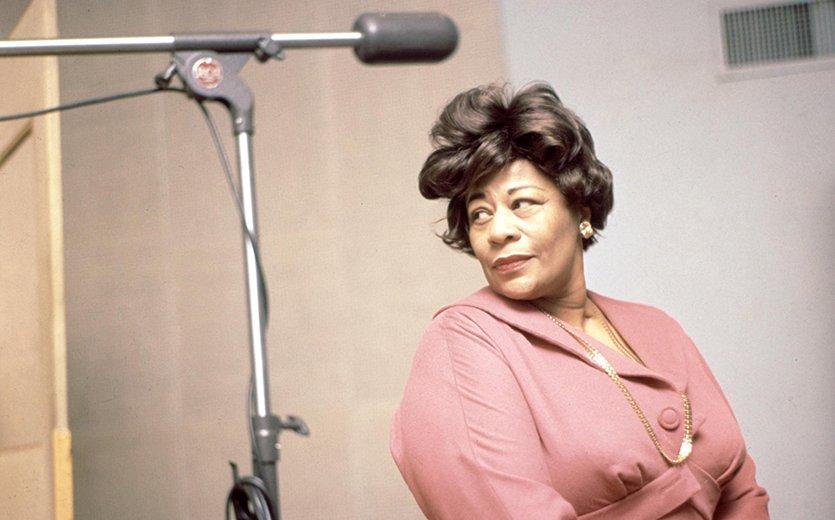
Ella Fitzgerald Photo: Michael Ochs Archives
Improvisation plays a central role in this. This means that musicians come up with new melodies, rhythms, and variations while they play during the performance. This requires not only technical skill but also creativity, concentration, and, above all, listening carefully to one another. A jazz concert is therefore often not a tightly executed “piece of music,” but rather a musical conversation between the musicians.[3][4] It is precisely that interaction that makes live jazz so special. Musicians constantly react to each other and build something together that exists only in that moment. As a result, no jazz concert ever sounds exactly the same.
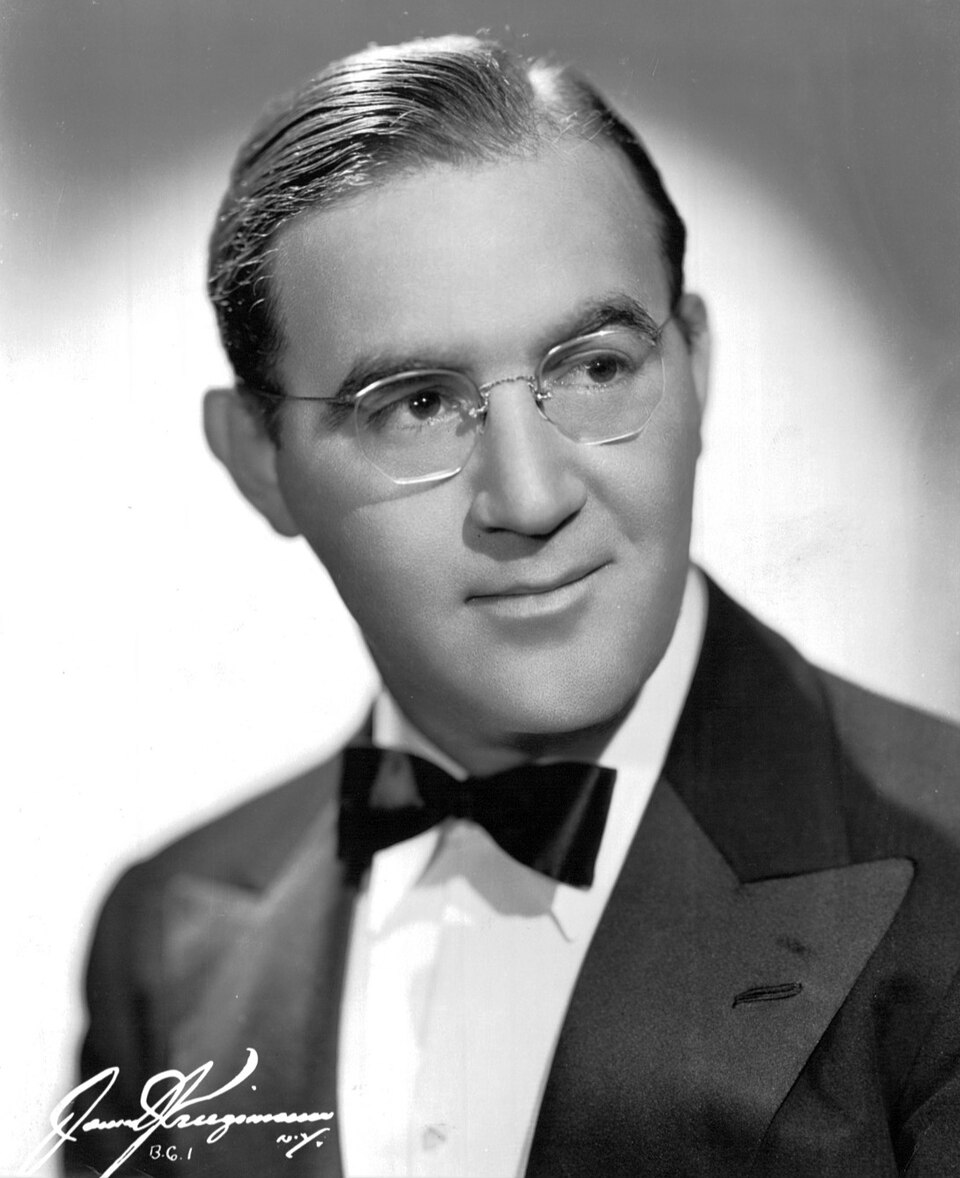
Benny Goodman – By Photo by Jammes J. Kriegsmann, New York
In addition, jazz possesses enormous emotional and musical versatility. Jazz can be exuberant, swinging, and danceable, but also intimate, melancholic, romantic, or experimental. Some jazz music invites you to move along, while other encourages you to listen attentively. An important concept within jazz is “swing”: a rhythmic sense that is difficult to define exactly, causing music to move and gain energy.[5] Many enthusiasts consider swing to be one of the characteristics that truly bring jazz to life. Over the decades, jazz has continuously evolved. New generations of musicians added influences from classical music, Latin, Brazilian music, funk, soul, rock, and world music, among others. As a result, countless styles and subgenres emerged, each with its own atmosphere, history, and character.
Moreover, jazz has had a major influence on other genres of music worldwide. Elements of jazz can be heard in pop music, film music, soul, funk, hip hop, and even modern electronic music.[2] But perhaps the most important aspect of jazz is this: jazz is not about perfection, but about expression. About listening, reacting, improvising, and creating something together in the moment. That is why many people experience jazz not just as music, but as an atmosphere and an experience.
And perhaps that is exactly why jazz is still alive after more than a hundred years.
Old-style jazz is a collective term for the early forms of jazz that emerged at the beginning of the twentieth century and subsequently developed further in New Orleans, Chicago, and other American cities, among others. Examples of this style include New Orleans jazz, Dixieland, and early swing. The music is usually immediately recognizable by its lively melodies, strong rhythm, and the interplay between instruments such as trumpet, clarinet, trombone, piano, banjo, double bass, and drums.
An important characteristic of old-style jazz is improvisation. Musicians do not just play a fixed melody, but constantly react to each other and put their own spin on it. As a result, the same song can sound different every time. At the same time, the music often remains accessible and melodic, making it pleasant to listen to and to dance to. Old-style jazz revolves heavily around interplay, spontaneity, and fun. The various instruments engage in a musical conversation with one another, as it were. Sometimes a single musician plays a solo, while at other times multiple instruments play different lines simultaneously that still fit together beautifully. This gives the music its energetic and characteristic sound.
Although this jazz style is over a hundred years old, it is still very much alive. Many jazz clubs, festivals, and bands honor the music while simultaneously giving it their own personality. For many enthusiasts, that is precisely where the charm lies: familiar melodies, warm sounds, improvisation, and an atmosphere where music, dance, and socializing come together naturally.
Do you want to know more about jazz and what makes it so great? Check NPOkennis for more information, for example.
Improvisation One of the most important characteristics of jazz is improvisation.[3][4] This means that musicians spontaneously come up with melodies, rhythms, and musical variations while playing. As a result, a jazz performance almost never sounds exactly the same twice. Improvisation requires not only technical skill, but also creativity, musical insight, and the ability to constantly listen to other musicians.[4]
Interaction between musicians Jazz is often described as a musical conversation.[3][5] Musicians constantly react to and influence each other during a performance. Small changes in rhythm, dynamics, or harmony can immediately lead to new musical ideas. This creates a lively form of music that is strongly connected to the moment and the atmosphere of the performance.
Swing and rhythm An important concept in jazz is “swing”. Although swing is difficult to define exactly, it refers to a specific rhythmic sense that gives music energy, movement, and flow.[1][5] For many jazz lovers, swing is one of the most recognizable characteristics of jazz music.
Louis Armstrong playing Trumpet by Harry Warnecke and Gus Schoenbaechler, 1947
Personal expression Personal expression plays a major role in jazz.[4] Two musicians can play the same composition and yet sound completely different. It is precisely this individual style and musical personality that are highly valued within jazz.
Live jazz Many connoisseurs consider live performances to be the most authentic way to experience jazz.[3] Because improvisation and interaction are so important, a unique performance emerges during every concert that can never be fully replicated.
Do I need to understand something about jazz? No. You don’t have to be a musician, a connoisseur, and you don’t need to know exactly what a “Blue Note” is. Jazz is meant to be experienced. Sometimes listening attentively, sometimes with a drink, sometimes talking with friends — and sometimes simply because the atmosphere feels good.
Does jazz hurt? Normally not. Possible side effects do include: spontaneously moving along, smiling, falling in love with a double bass or a clarinet, suddenly collecting vinyl records, discussions about “real jazz” after two glasses of wine, and using the word “groovy” unironically. In most cases, exposure can lead to an irresistible urge to return to the Haagse Jazz Club more often.
[1]Encyclopaedia Britannica – Jazz [2]Smithsonian National Museum of American History – The Birth of Jazz & Swing Era [3]Jazz at Lincoln Center – What is Jazz? [4]The New Grove Dictionary of Jazz [5]Ted Gioia – The History of Jazz [6]Oxford Music Online – Jazz Improvisation